May 1, 2024
Brian:
Another month has flown by.
For the first two weeks of April, we were in Kompiam, a village west of us in the province of Enga. To travel to Kompiam takes 4-5 hours by car. Fortunately, we were able to fly on a small Cessna with Missions Aviation Fellowship (MAF) and land on the airstrip in Kompiam. This cuts the trip down to just 20 minutes! Plus, flying in a small propeller plane allows you to appreciate all of the spectacular mountains and valleys.
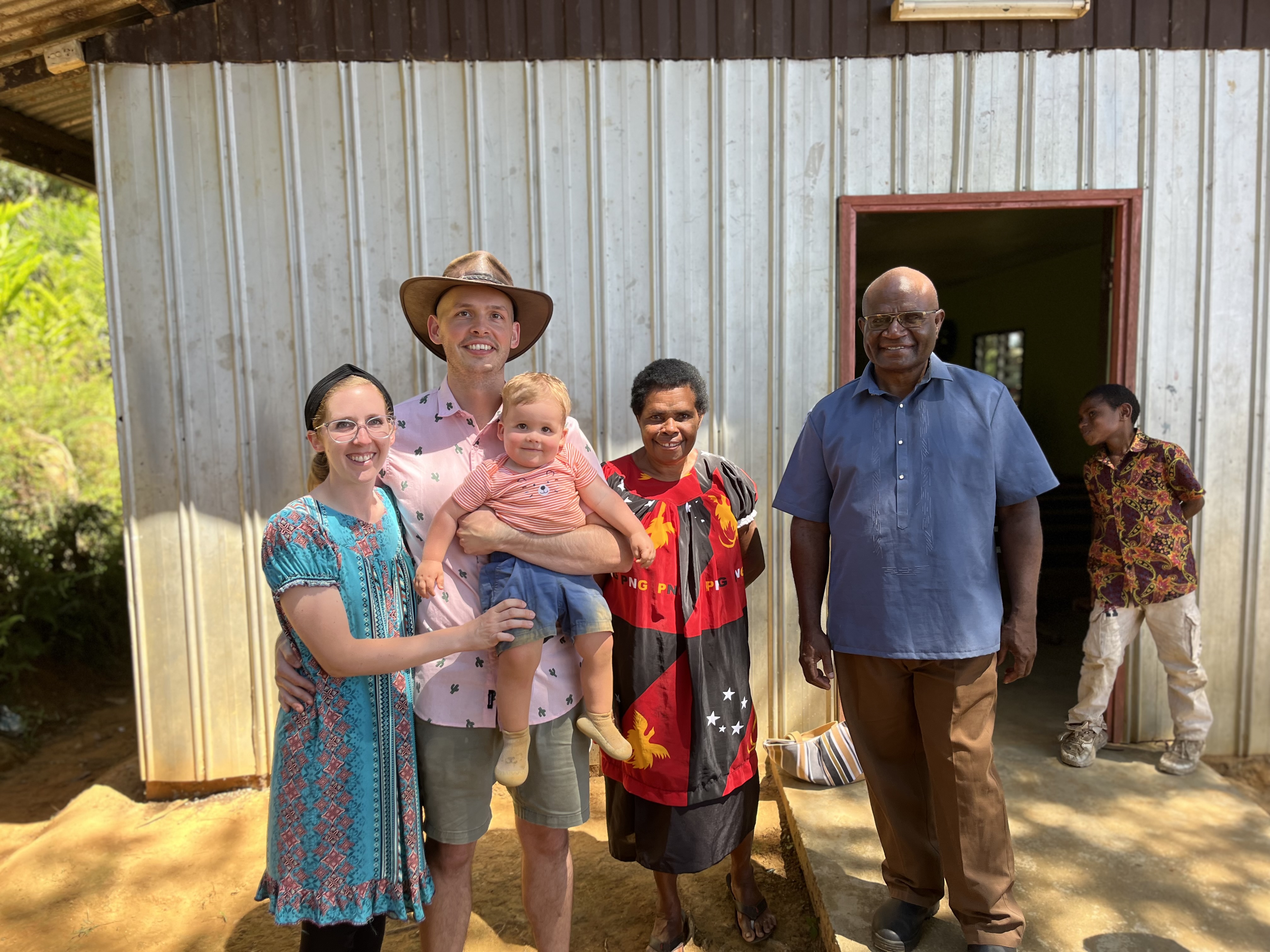
Our time in Kompiam was dedicated to language (Tok Pisin) and culture training. We had already been through several weeks of formal instruction at our home in Kudjip (as well as A LOT of practice inside and outside of the hospital), but we went through a curriculum that focused less on the grammar and vocabulary and more on practical uses and learning about the culture. We had many different teachers throughout our course, native people with backgrounds in finance, education, politics, church leadership, healthcare, etc. who were able to help us understand some of the cultural nuances of PNG. Our final exam was delivering our testimony in Tok Pisin on Sunday morning.
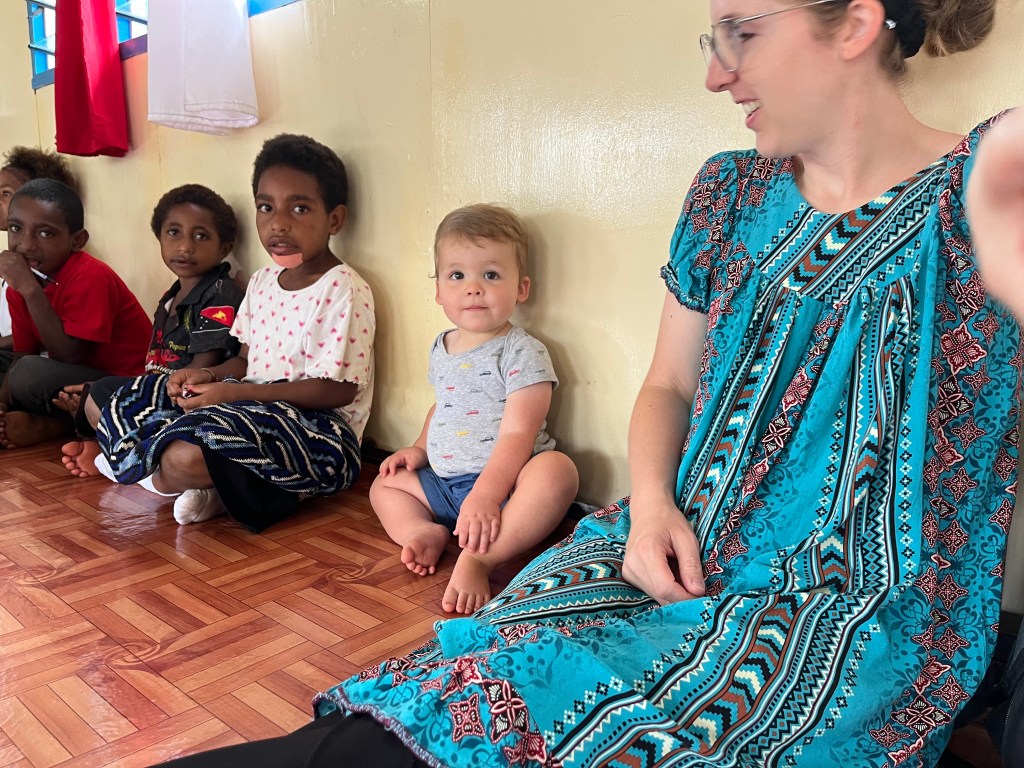
Kompiam is also home to a mission district hospital, so it was very helpful to see how another hospital operates in PNG. It is much smaller that our hospital here in Kudjip and thus has less staff and resources, but they handle many of the same injuries and illnesses that we do. I even performed several smaller surgeries on days when our language training concluded early.
Henry also started walking during our time in Kompiam! He had taken a few steps here and there before, but now is unstoppable.
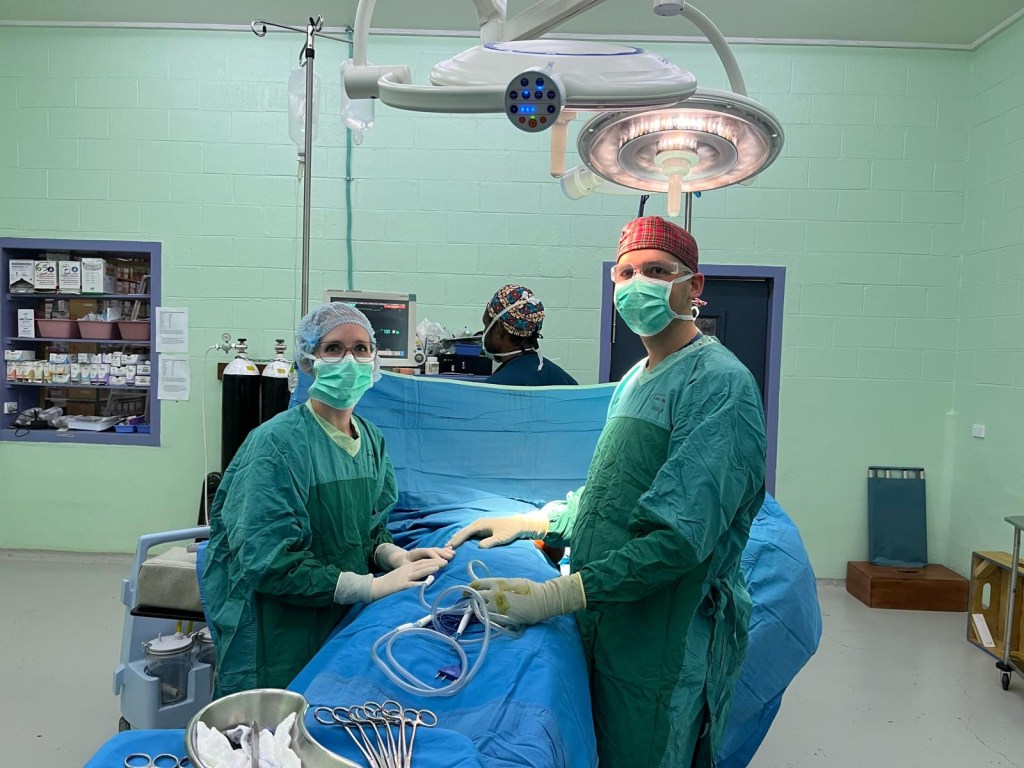
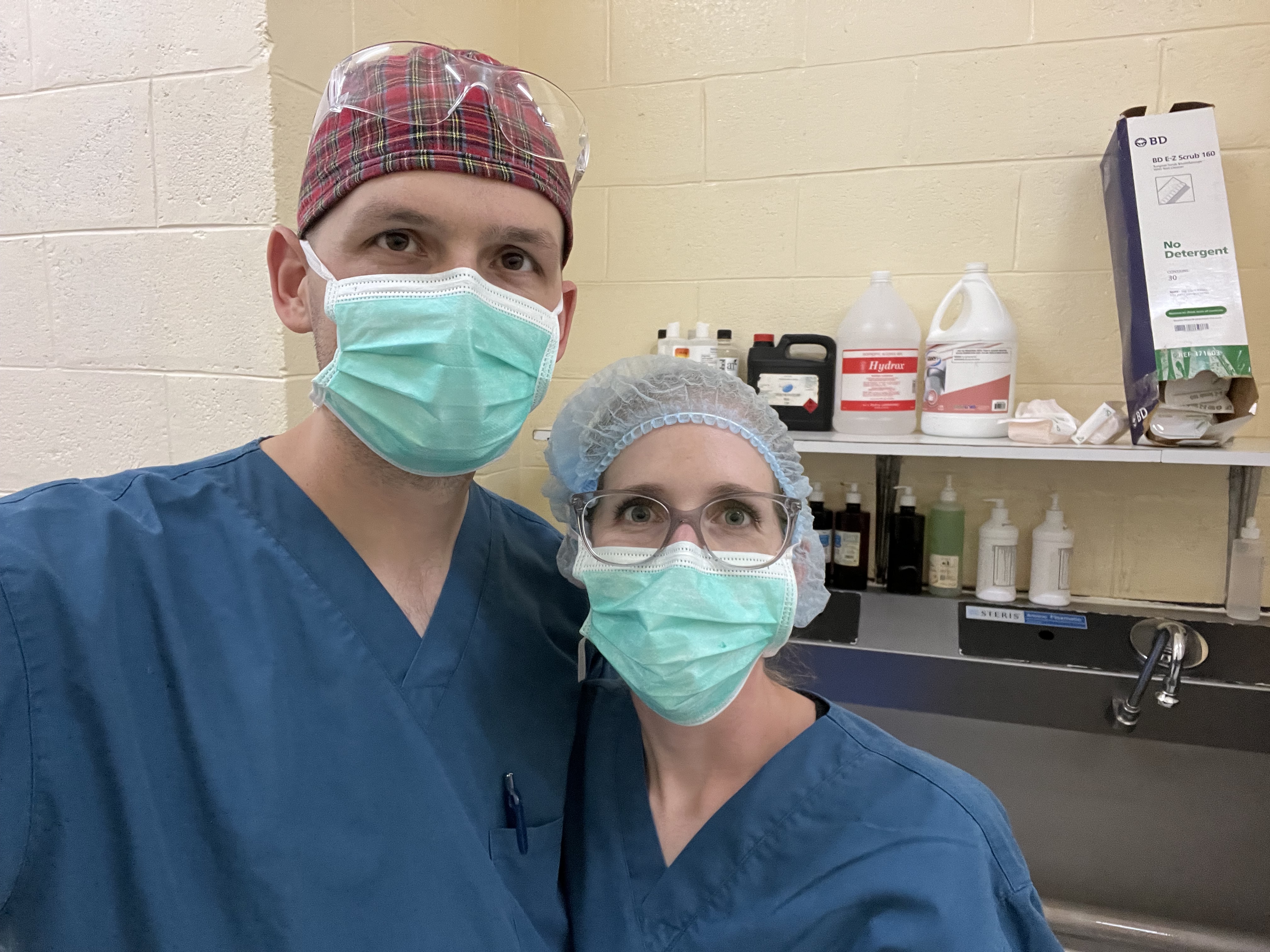
Life back in Kudjip continues to be filled with highs and lows and a ton of learning. One of the highs for me was Abigail rotating through surgery as part of her orientation. The operating room is admittedly one of Abigail’s least favorite places, but she proved herself quite capable assisting in the OR. This was the first time that we had ever worked together in 6+ years of medicine. Abigail has decided to stick with pediatrics and hospice rather than switch over to surgery, but at least she knows a little more of how surgery works here so she can better serve her patients.
Surgery continues to be diverse. Many of the needs for operations are the same as my training (e.g. inguinal and umbilical hernias, mastectomies, lipomas, colostomies, bowel resections, etc.), but I am continually stretched in my scope and practice. Obstetrics and gynecological surgery are very needed here, so most weeks I’m performing some C-sections, hysterectomies, salpingectomies for ectopic pregnancies, and MANY tubal ligations (I even encountered a rare GYN anomaly – a patient with TWO uteruses!). We have an OB/GYN, Dr. Laura Myatt, but the load of GYN surgery is too much for any one person, so we general surgeons tend to help out with the more routine cases, while Dr. Laura maintains her own robust practice of surgery and clinic and is a wonderful resource for when I have questions about nuanced or complicated OB/GYN cases. Outside of OB/GYN, orthopedic surgery is in high demand, so I’ve been constantly learning. This requires me to bulk up on my musculoskeletal anatomy and constantly seek opinions from our two experience general surgeons as well as Dr. Alex, a PNG surgical trainee here, who I refer to as “the bone wizard”. With Dr. Alex, I’ve assisted in surgeries for many forearm and leg fractures, as well as plating a mandibular (jaw) fracture, reducing femur fractures with pin tractions, and tendon repairs in the hand, foot, and forearm. These are actually quite fun as there is a lot of 3D problem solving involved. Many of the orthopedic injuries are from car accidents or falls, but a saddening number of them are from “chops” – that is machete cuts. A small number of chops are accidents (e.g. cutting your foot while chopping firewood or working in the garden), while the vast majority are intentional – either the result of disputes, drunken fights, or even accusations of witchcraft. Due to the incredibly high volume of chops, the minor ones are usually washed out and stitched up by emergency room nurses. Moderate ones are handled by the medical doctors, and only the more severe ones involving big fractures, blood vessels, etc. are ones on which we surgeons are consulted. It’s a very sad and preventable problem, just like gun violence in the US, but just as difficult to change and disrupt the cycle. It is often when we feels powerless that we most need Christ to intercede. This culture and practice of violence and anger is something that I would ask all of you to pray for.
We are writing this blog from Port Moresby, the capital of PNG, as we are currently en route to Italy! My older brother, David, is finally getting married. His fiancee, Viviana, is from Bologna in northern Italy, and we are so grateful that we are able to join in celebrating this ocassion. We’re very excited for this adventure and Henry get’s to see Grandma and Grandpa again! The endless pasta and gelato will be an added bonus too. It’s a similar travel time to get to Italy as to go to the US from PNG (about 2 days of travel) so please pray for our patience and Henry’s ability to sleep on the plane!
Abigail:
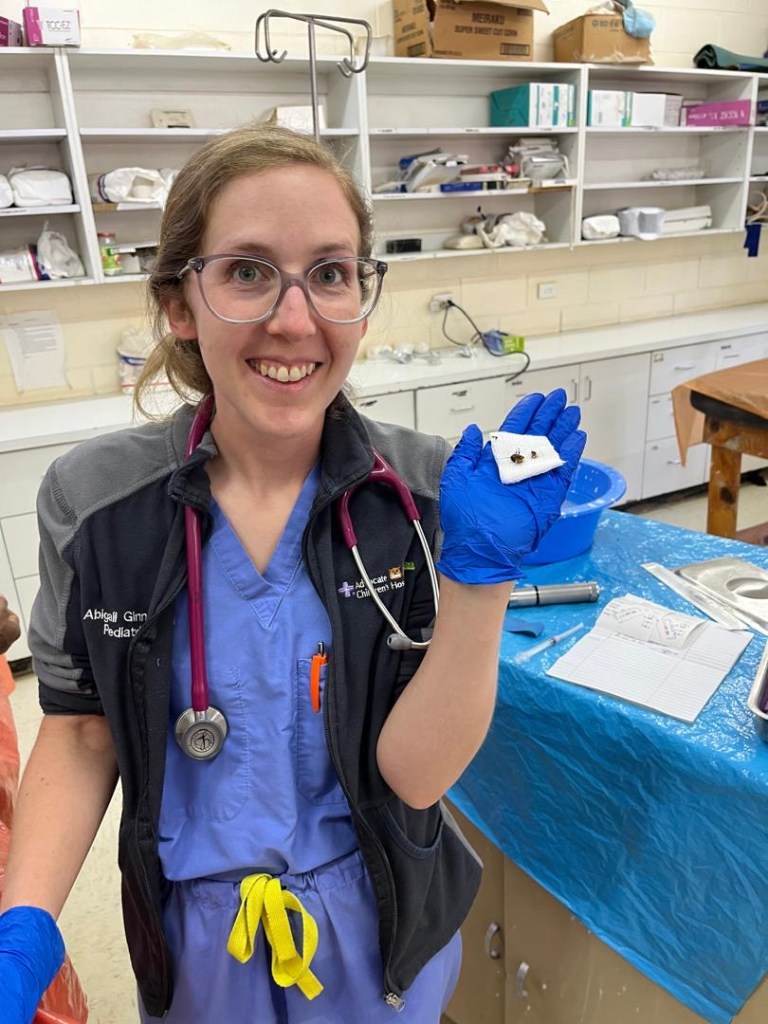
Like most people, I am a creature of habit. I like to know what my days will look like and what to expect both at home and at the hospital. I’m not a huge fan when schedules or routines change, so as you can imagine, being a missionary doctor has daily stretched me and I’m learning to be more flexible. I have to remind myself frequently that growth is a process, so I must be patient (which is also not one of my strengths). Since our return from language training in Kompiam, I have been working 3 days per week in the hospital. I completed my hospital orientation with the surgical team and got to spend some time in the OR with my favorite general surgeon, Brian. As he mentioned above, the OR is not my favorite place, but it was fun for me to tag team some surgeries with Brian and get to see the talents that God has given him. I officially started seeing patients independently in our outpatient department, where I am seeing both adult and pediatric patients. I have had to learn and re-learn many aspects of medicine, but I am grateful for more seasoned missionary doctors who are here to teach me. I was also officially christened a missionary doctor when I pulled a cockroach out of a man’s ear. Thankfully the cockroach was dead, but it was still a difficult, albeit satisfying, extraction.
Dr. Matt, one of the other medical doctors in Kudjip, started a palliative care program at the hospital about 2 years ago. He really built this program from the ground up and his focus has been on doing home visits for our patients with life-limiting illnesses (mainly cancers). He takes medications and a hospital chaplain with him on home visits, which allows him to provide relief for physical symptoms releated to disease as well as spiritual relief for patients who are facing the end of their lives. It is really such a beautiful and powerful thing to be able to talk with patients about their lives and share the love of Jesus with them. While we were praying about where God wanted us to serve, I felt extra excited about the possibility of joining Dr. Matt with his palliative endeavors at Kudjip. I’m happy to report that I’ve been able to go out twice with Dr. Matt on palliative care visits, and it has been incredibly rewarding and rejuvinating. One of the major medical challenges I have witnessed in PNG is the lack of access to routine cancer screening or treatments that are standard of care in the U.S. Many of the patients we care for present with very advanced cancers, and as there is currently NO radiation treatment available in the entire country of PNG as well as limited chemotherapy, we are not able to offer the “menu” of treatments that we would expect in the U.S. It is particularly heartbreaking to care for so many pediatric patients or young parents with horrible cancers. However, these difficult moments have given me the opportunity to pray with many patients and their families, which is a good reminder that our time here on earth is but a fraction of what eternity will be.
We have continued to enjoy our evening walks around station and getting to have impromptu chats with friends we see out and about. Way back in September 2023, Brian drove some of our belongings down to North Carolina because Samaritan’s Purse (SP) was preparing to ship a container to Kudjip. We were able to ship 3 bins and 2 large crates, one of which contained the crib that Brian built for Henry, on that container. It arrived in Kudjip on April 30, which was highly anticipated and incredibly exciting. It was like Christmas as we unpacked the bins and crates that we had packed nearly 7 months ago. We are grateful that everything arrived unscathed. In addition to our items, the 40′ container was PACKED with medical supplies from SP that will enable all of us to continue and expand the medical ministry of the hospital.
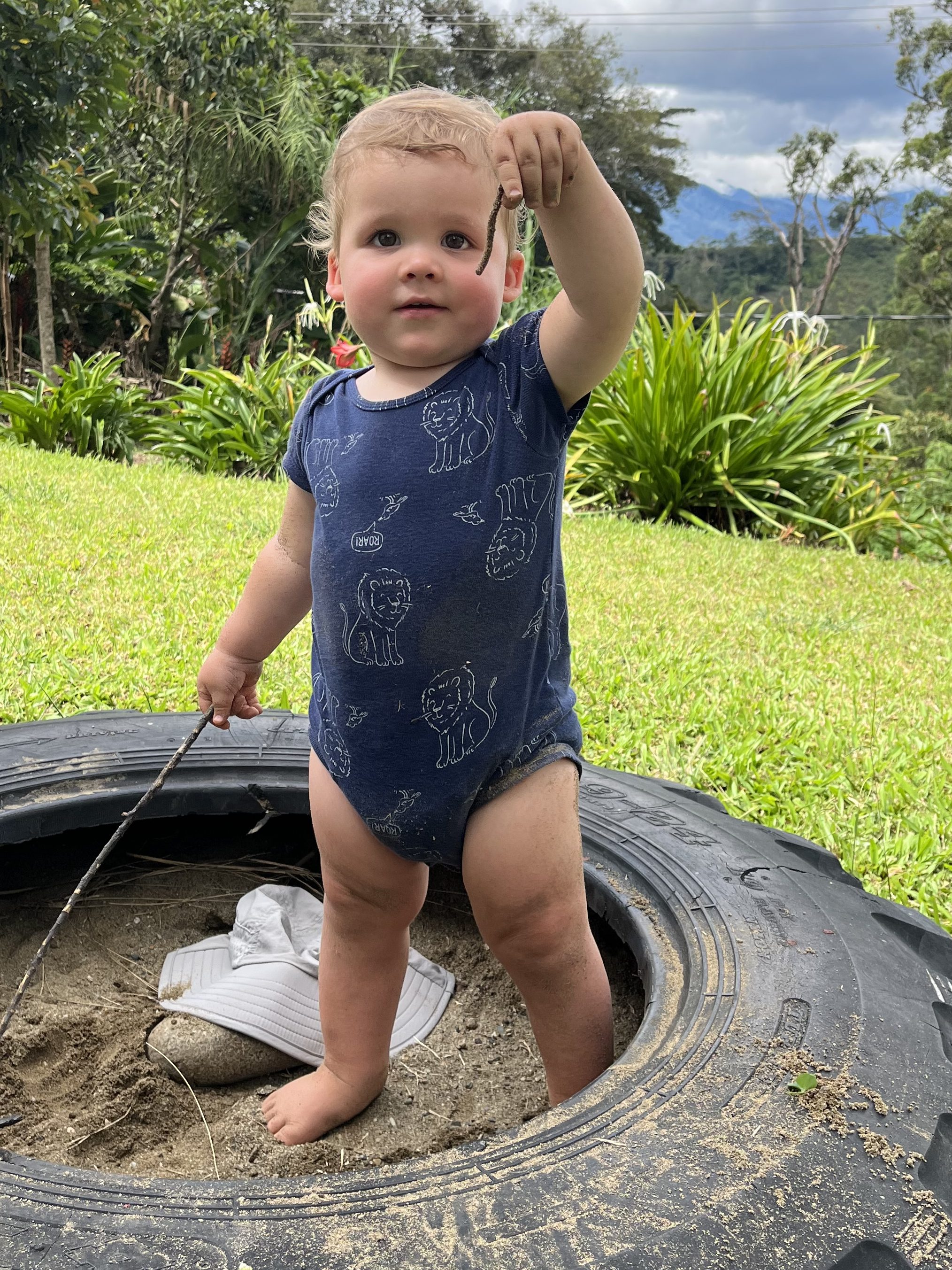
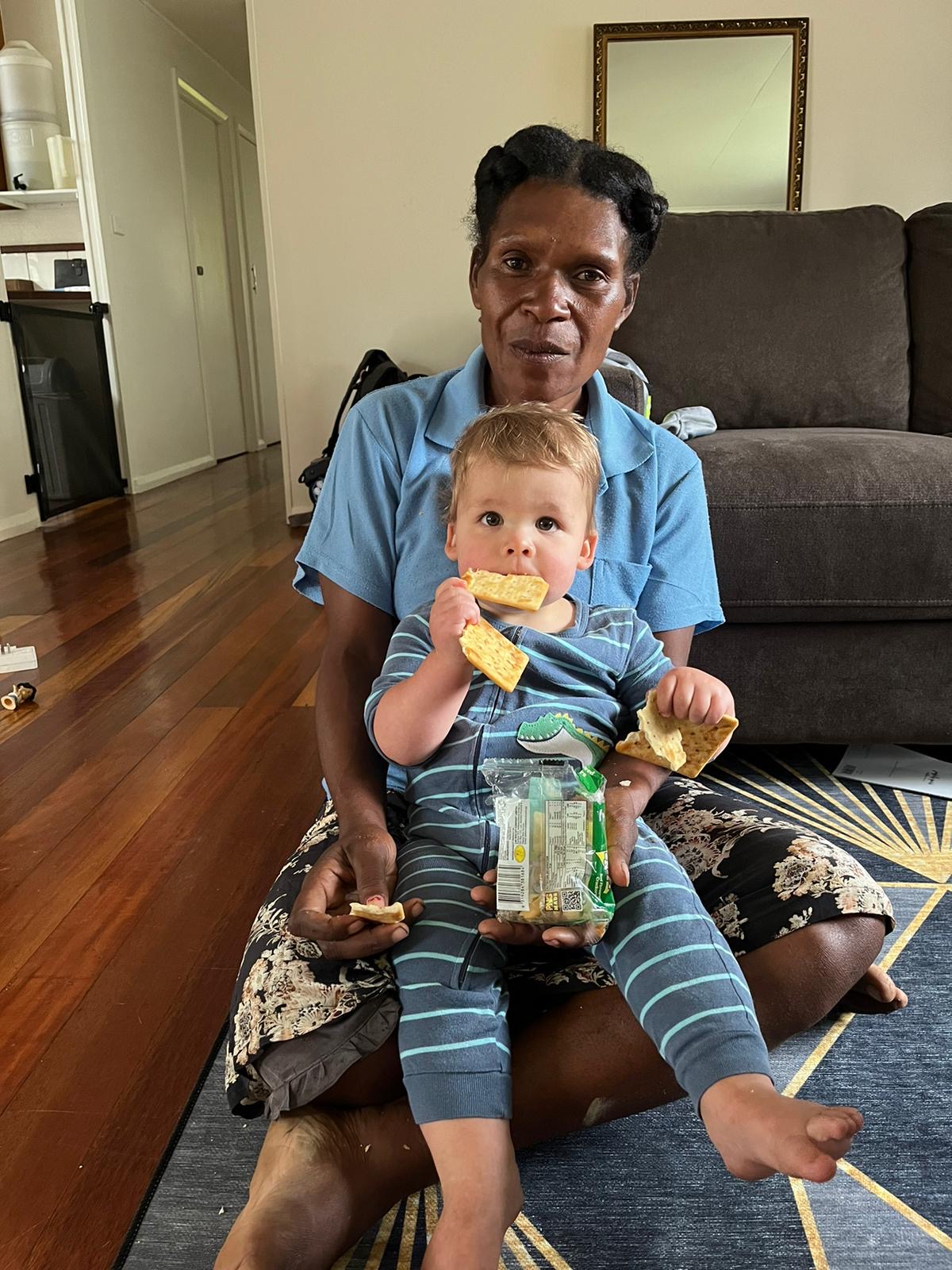
Henry is growing like a weed and loves when his nannies come to take care of him while mom and dad are at the hospital. He particularly loves to play outside in his sandbox and get nice and dirty. His favorite toys have become rocks and sticks, which are plentiful in PNG. He continues to win the hearts of the PNG women and loves to point at every dog he sees on station.
We remain very grateful for your daily prayers. We, our fellow missionaries, and our patients need them every single day. So thank you for covering us with prayer.
Praises:
- Brian took his General Surgery Certifying Examination in March and passed! He is now a board-certified general surgeon.
- Henry transitioning very well to a new environment and new routines
- ease of learning a new language and many people helping us
Prayer Requests:
- safety and patience in our travels to Italy and back
- continued spiritual growth for both of us
- the violence and trauma that many of our patients suffer




Leave a Reply